
The case for getting vehicle photos online
Photos give shoppers
something to act on.
These findings explain why the first photo set deserves attention. They support the problem Halo addresses; they do not measure Halo’s effect on leads or sales.
01 · Photos versus no photos
72% more leads on used listings with a photo.
CarGurus reports that used listings containing at least one photo received 72% more leads than listings containing none.
Scope: U.S. leads per used vehicle-detail-page listing, January 1–July 31, 2025, across all devices.
This is a platform-specific observed comparison. It does not establish a sales lift, predict your store’s results or prove that photography alone caused the difference. The source does not say that coming-soon graphics counted as “no photos.”
CarGurus source and methodology ↗02 · What we observed on dealer websites
296 listings displayed placeholders or lacked thumbnails.
On October 26, 2026, we reviewed 4,253 used listings across 50 selected Ontario dealer websites. Across 27 sites, 296 listings displayed coming-soon graphics, generic placeholders or missing thumbnails: at least 7.0% of all listings reviewed. Within that total, 178 listings across 23 sites explicitly showed “photos coming soon.”
How to interpret this audit
This was a convenience sample with substantial Toyota and Honda representation, not a representative survey of Ontario, Canada or North America. Listings were deduplicated within each website; shared dealer-group feeds may overlap between websites. Two thumbnails were unresolved and one website had no used inventory.
The audit classified listing thumbnails. It does not prove that every associated gallery lacked actual photos, or tell us how long a vehicle had been waiting. Counts describe the audit date, not the current state of those websites.
We do not apply CarGurus’s lead comparison to these counts or calculate lost leads from them.
03 · Actual photos versus stock images
A reason to show the specific car.
Dealer.com’s June 2018 comparison found used and certified listings with actual vehicle photos were 40% more likely to receive a lead than listings using stock images.
This older comparison concerns lead likelihood, not completed sales. It does not establish that faithful editing or background replacement of actual vehicle photos reduces buyer interest. Dealer.com also states that a stock image is better than no image.
Dealer.com source and study date ↗04 · Time to online merchandising · 2018 benchmark
11 days from inventory entry to photos and descriptions.
Cox Automotive’s 2018 report cited an average of 11 days between a vehicle appearing in dealer inventory and its online listing being merchandised with photos and descriptions. The report attributes this finding to HomeNet Rapid Retail Research, 2018.
This is a historical benchmark for photos and descriptions together, not a measurement of how long most vehicles wait for imagery today. Our October 2026 Ontario audit identified missing-photo placeholders but did not measure waiting time.
For a Halo pilot, measure the time from stock-in to the first live photo set, then compare it with the store’s own baseline.
Cox Automotive · 2018 report, page 3 ↗What Halo changes
Bring capture into the work already happening.
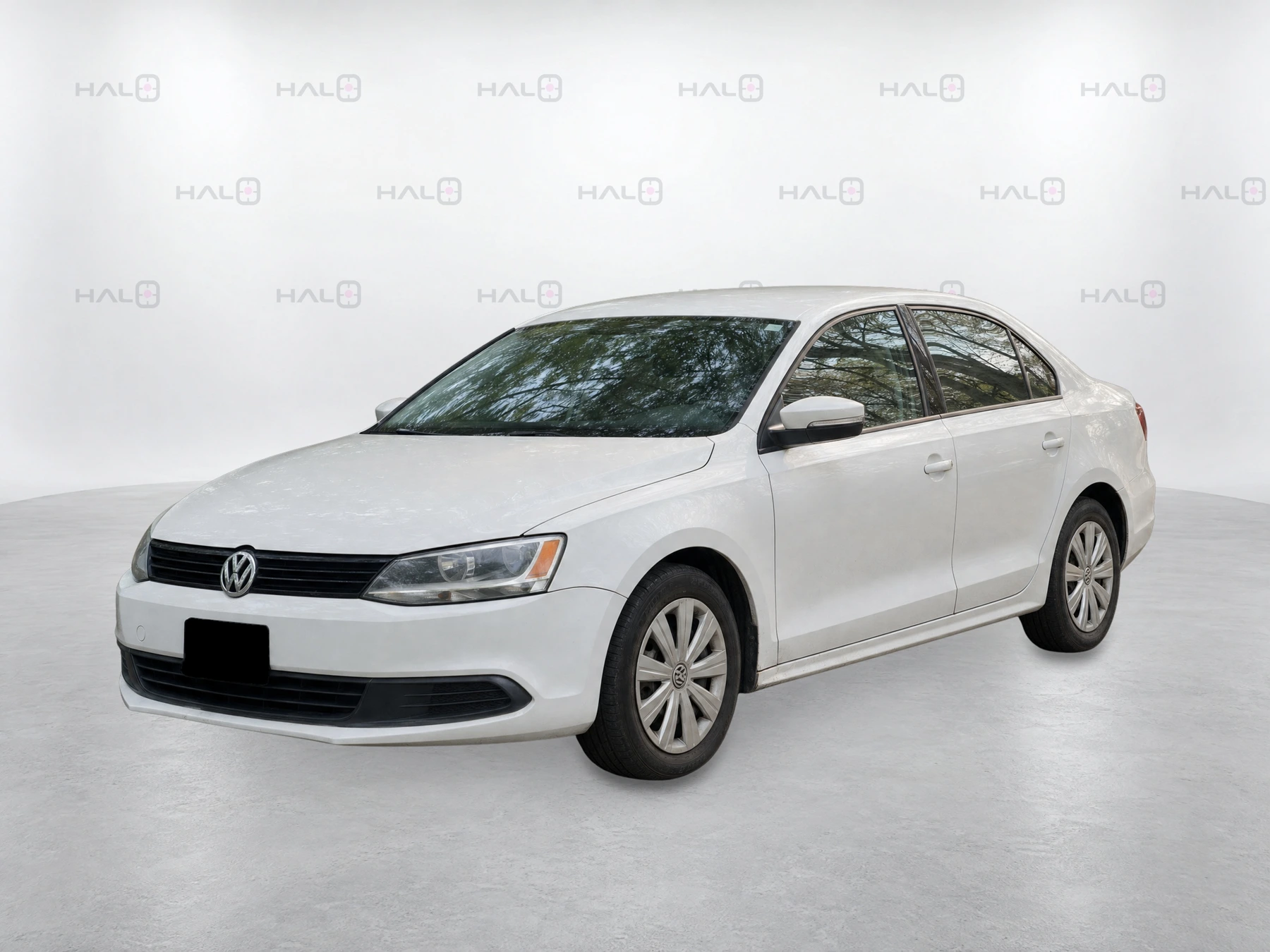
Use Halo during the appraisal to retain close-range photos. When you acquire and stock the car, Halo creates eight primary listing views for your configured delivery connection. New inventory can start at arrival; a fresh capture after recon and detail keeps the gallery current.
Judge the change at your store: time to the first live photo set, staff effort, retakes and gallery completeness. Processing, quality checks and feed schedules remain part of publication.
See how it fits your store ↗